
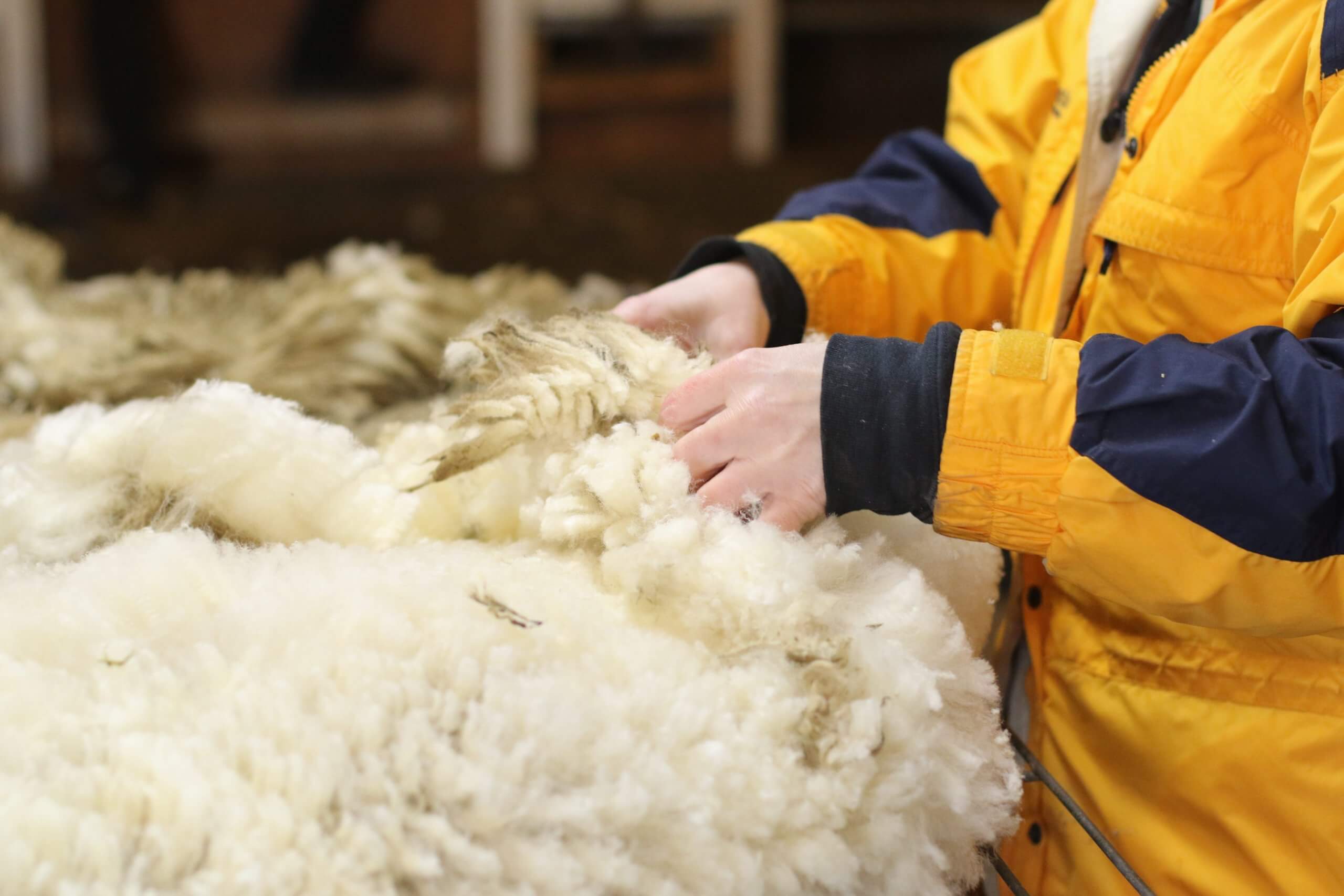
Several years ago, I had an online conversation about sheep shearing that stopped me in my tracks. The other person was absolutely convinced that shearing sheep was harmful—no matter what I said, I couldn’t bridge the gap between belief and reality. It was clear we weren’t just disagreeing; we were living with very different understandings of how sheep actually work.
That conversation sparked an idea.
Instead of trying to explain sheep shearing with words alone, why not show people what it really looks like? And that’s how our annual Shearing Day was born.
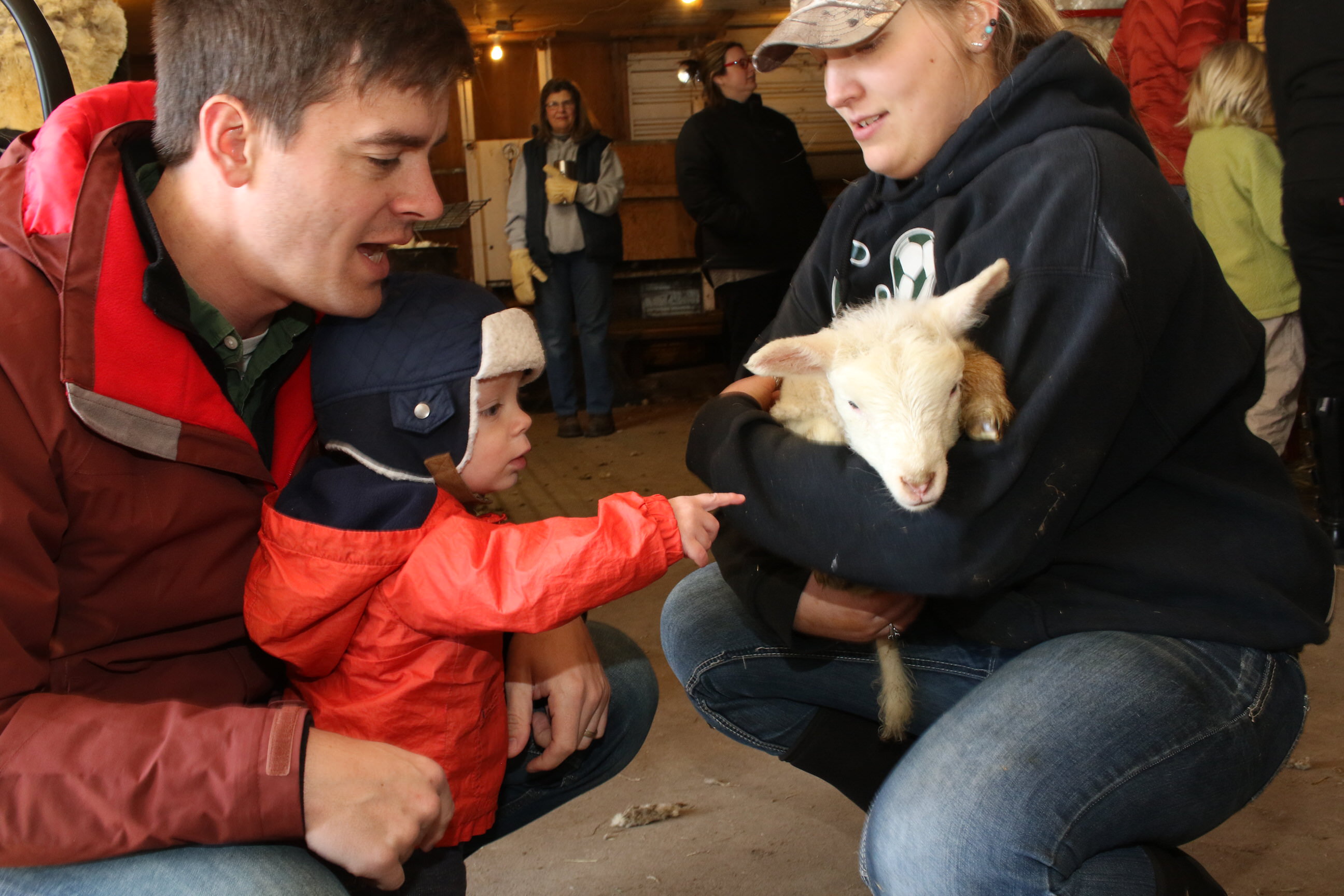
Since then, Shearing Day has become one of our favorite events of the year. There’s something special about watching people of all ages experience a working farm up close—hearing the sheep, smelling the barn, seeing the shearing happen, and asking thoughtful, curious questions.
And there’s one question we hear every single year:
“Why do you shear sheep when it’s still cold outside?”
It’s a great question. You might be wondering the same thing.
Before answering it, there’s an important thing to understand: animals are not people. Just because we rely on heated houses and winter coats doesn’t mean sheep do. Sheep are built to handle a much wider range of temperatures than we are. Even their digestive system helps keep them warm—the ruminant system is essentially a built-in heat generator.
With that in mind, here’s the real answer.
We shear our ewes about a month before lambing for three important reasons:
1. Warmer lambs
When lambs are born during cold weather, staying warm is critical. After shearing, the ewe is more aware of the cold and naturally stays closer to her lambs. Without her thick winter fleece, her body heat transfers more directly, helping keep newborn lambs warm.
2. Easier access to milk
Newborn lambs have a strong instinct to nurse—but they’ll latch onto anything within reach, including wool. Shearing ensures the ewe’s udder is easy to find so lambs can nurse quickly and get the nourishment they need.
3. Better wool quality
Late pregnancy, lambing, and early lactation are stressful times for a ewe. During stress, the body prioritizes essentials and wool growth can weaken, creating a fragile spot in the fiber. By shearing close to these stress points, that weak spot ends up near the tip of the fleece. This matters because long, strong fibers are valuable—while weak fibers break during processing and become much shorter. For wool, longer is better.
Join Us for Shearing Day 2026
You’re invited to see all of this in person and ask every question you’ve ever had about sheep, wool, and shearing.
SATURDAY, February 28
9:00 AM – Noon (come and go as you wish)
13275 Blair Street, Holland, Michigan
During our open house, you’ll see our sheep being shorn on a working farm, learn how wool is produced, and watch fiber artists demonstrate their craft. Our farm store will be open with wool items and other farm products available for purchase.
The event is free and open to all ages, though very young children may be sensitive to the noise and smells of the sheep barn. Please dress warmly and wear clothes you don’t mind getting a little barn-ish—we shear in the barn.
While admission is free, purchases from our store or donations are greatly appreciated and help offset the cost of hosting this event.
We’d love for you to join us—and see sheep shearing for what it really is.